You are here: What are Restrictive Covenants?
When you buy or own a property, it is natural to assume that, subject to planning permission, you can do with it as you choose, but that is not always the case. If there are Restrictive Covenants attached to the property deeds, you may find that you are restricted in what changes or alterations you are able to make to it.
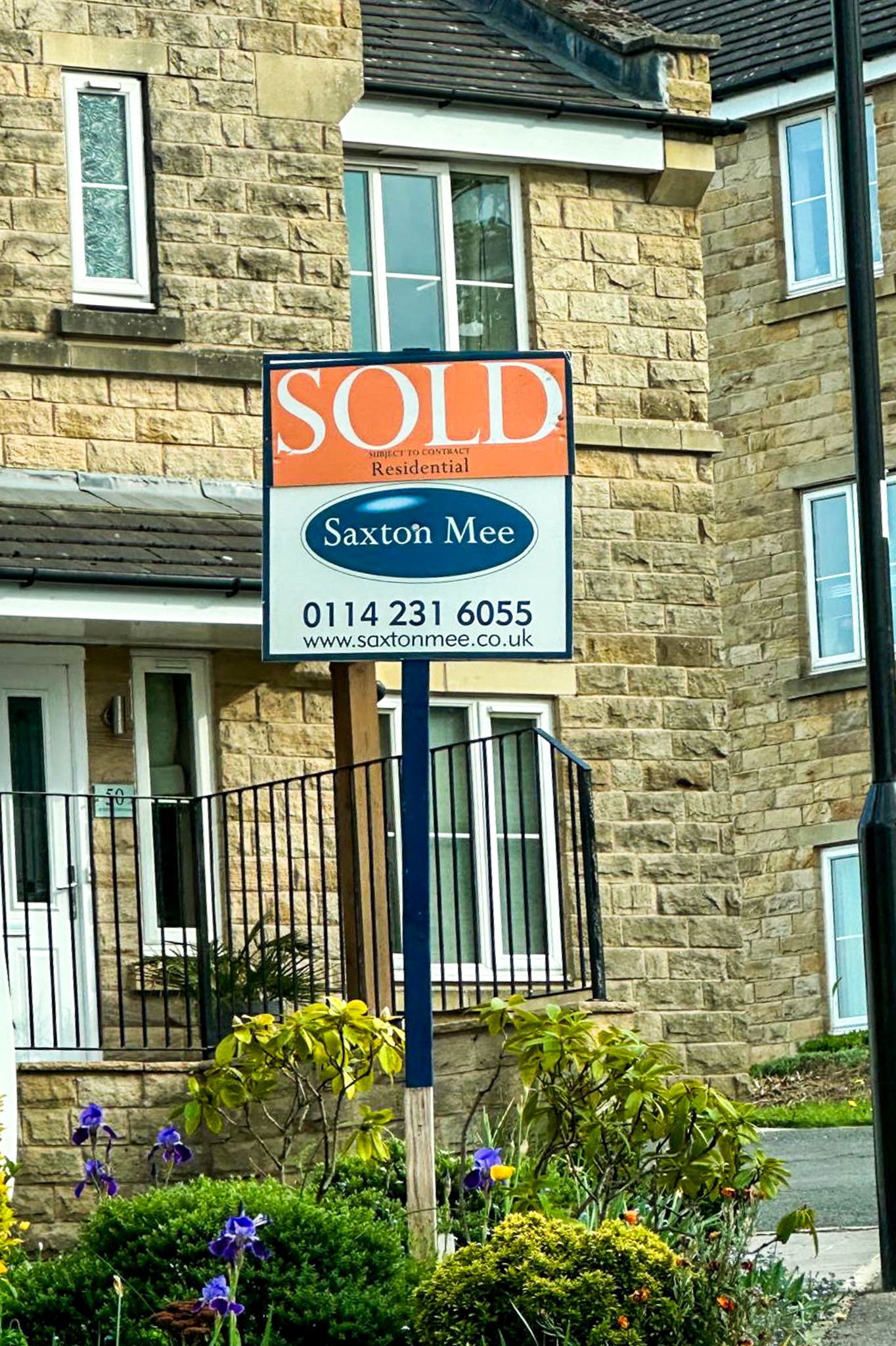
Restrictive covenants are formal, binding conditions that are written into a property's deeds to determine and restrict what a homeowner can or cannot do with their property. By signing and accepting the deeds to your property, you will be deemed to have accepted all of these conditions or covenants, and you are, therefore, legally bound by them. The majority of these restrictions are attached to the land and not the landowners. This means that, regardless of how many times the property changes ownership, there is a legal obligation to uphold and adhere to any restrictive covenants attached to the property. Restrictive covenants are totally separate from the local authority planning system and can prevent a development even if it has been granted planning permission. Restrictive covenants are applicable to both freehold and leasehold properties.
These restrictions can cover a wide range of issues, ranging from building an extension to a property or building a new property on the part of the land associated with the existing property. A restrictive covenant may prohibit operating a business from the property. It may even restrict changing the outer appearance of the property, forbids the parking of a caravan on the property or the installation of a satellite dish.
At a time when a high percentage of properties were leasehold, the land owners would add restrictive covenants to give them some level of control over the future development of the land to hopefully maintain the value of the plot. As leaseholds are giving way to freeholds, restrictive covenants are being used to protect property owners and ensure that no further development would cause their property to decrease in value.
Some restrictive covenants dictate what you cannot do to a property or the surrounding land, while other positive restrictive covenants stipulate what you must do. These positives can include stipulations on any paint finishes or colours applied to a property as well as maintenance of gardens, including any communal areas, trees and hedging. Some developers or property management companies will include or add restrictions to property deeds as a way of ensuring that specific standards of uniformity are maintained. Restrictive covenants may also be put in place to ensure that any new developments are sympathetic to the area in which they are built, thus protecting the residents of that area.
It is essential to ensure that when buying a property, your conveyancing agent or solicitor checks thoroughly for restrictive covenants, as these do not just cover major issues such as the future development of the land but can cover more minor day-to-day issues. Trees in the property's front garden, fences which could provide shelter or privacy, and vehicles or caravans parked on the property could all be restricted or disallowed. Running a business from home could become an issue, and in a block of flats, the keeping of pets could be disallowed, both of which might cause lifestyle issues.
If the owner of the land, freehold or leasehold, that is subject to a restrictive covenant wishes to have the covenant amended or removed, then they should approach the person with the "benefit of covenant". If that person cannot be found or refuses to comply with a request, the applicant wishing to make an application to discharge or modify restrictive covenants can submit a Form T379 to apply to the Upper Tribunal Lands Chamber, a specialist tribunal responsible for determining a wide variety of disputes relating to land in England and Wales, to have the restriction discharged or modified.
However, this can be both a costly and time-consuming process with no guarantee of success, and you may be ordered to pay their costs if their objection is successful. Even if you are successful, your costs will not be paid by the beneficiaries of the covenant. It should be noted that the tribunal has no power to discharge or modify positive covenants that require the property owner to do something, rather than not to do something. It cannot discharge or modify easements, such as a right of way.
It is possible to guard against falling fowl of a restrictive covenant, which may have been missed at the time of purchase of a property or breached by a previous property owner. A restrictive covenants indemnity policy, which can be put in place at the time of sale is a specialized legal insurance policy that protects property owners, developers, or buyers from financial losses due to breaches of restrictive covenants. Restrictive covenant indemnity insurance can only be obtained if a covenant has been breached without complaint or challenge for a period of at least 12 months. Once procured, the policy will last in perpetuity and can then be passed on to protect future owners of the property.
In instances where an owner has breached a covenant and has not been challenged for over 12 months and subsequently decides to sell the property, they should be able to get restrictive covenant insurance to protect what they have done. Should a property owner knowingly or unknowingly breach a restrictive covenant, they could be forced to undo any offending work, even to the extent of being ordered to pull down an offending extension.
Restrictive covenants do precisely what they say, they place restrictions on what a property owner can or cannot do to a property and falling fowl of one can be both disruptive and expensive to deal with. It is, therefore, vital that they are highlighted by a conveyancer or solicitor and addressed when a property is purchased. In light of the problems they can create, it is also advisable to put a restrictive covenants indemnity policy in place when buying a property.
If you are considering buying or selling a home, you may find some of these services useful:

Mortgage Brokers
I need help getting a mortgage

Energy Performance Certificate
Energy Performance Certificates

Building Surveys
I want a local surveyor to do a Building Survey for me

Home Survey and valuation
I want a local surveyor to do a homebuyer survey and valuation for me

Structural Inspections
Find an expert to carry out a structural inspection
Structural Calculations
Find an expert to provide Structural Design Calculations

Invasive weeds report
If you are concerned that you may have Japanese Knotweed, or other nuisance plants.

Electrical Reports
Find an Electrician to produce an Electrical report (sometimes known as an Electrical Installation Condition Report - or EICR) for a property.