You are here: Private house sales: worth the potential savings?
Selling property is often the largest sale an individual will make in their lifetime, so sellers understandably want to get it right. But there are numerous obstacles to a successful sale, and sellers usually instruct the professional services of an Estate Agent to find the right buyer offering the price they want and get the sale over the finish line. From marketing the property, liaising with buyers, other Estate Agents and conveyancing solicitors up and down the chain, a good Estate Agent will work hard to this this end. However, a cohort of sellers choose to sell privately – that is, without using the services of an Estate Agent.
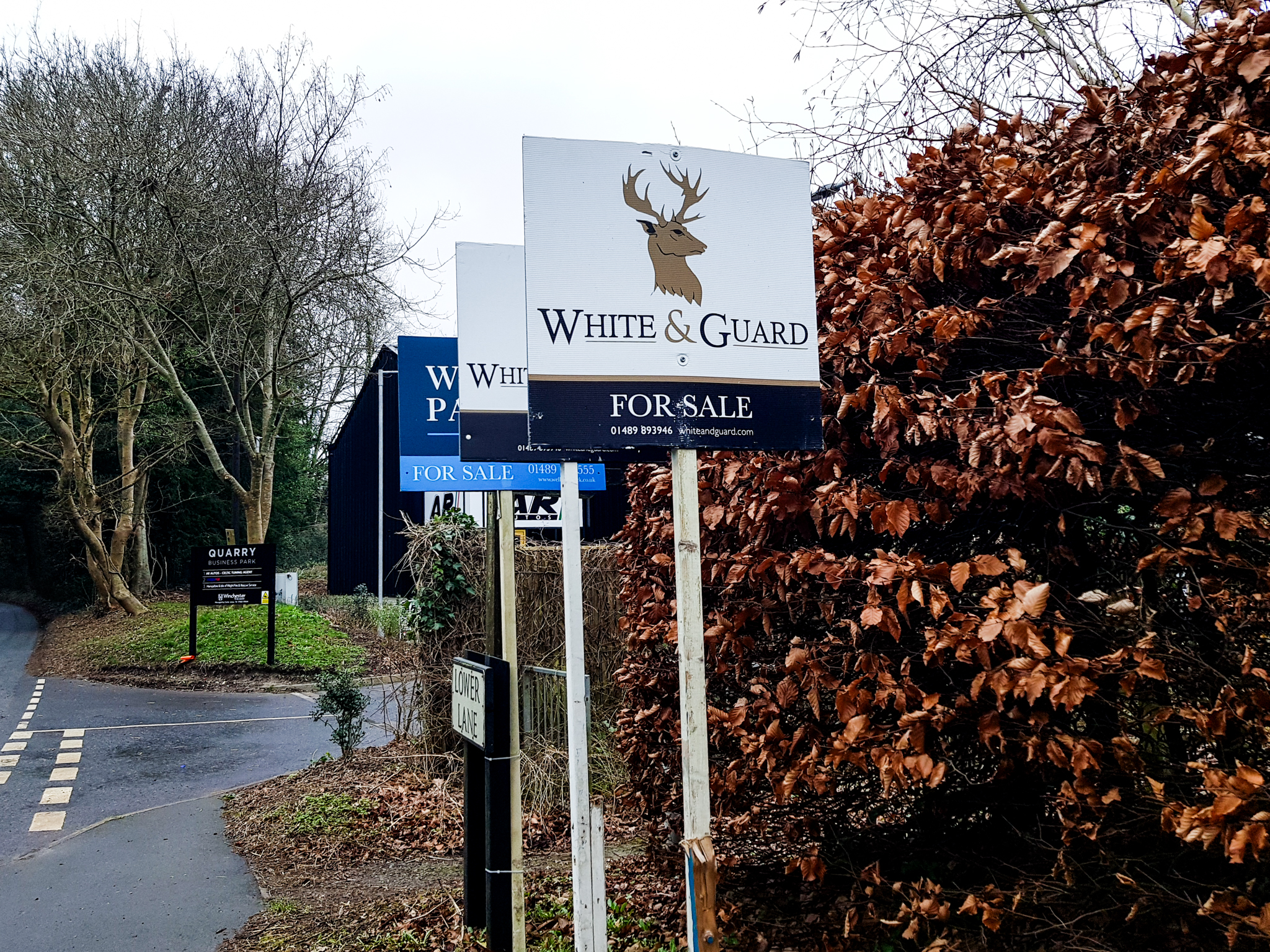
In some cases, the opportunity of a private sale can arise through family, friends or neighbours expressing interest in buying. In other cases, sellers choose to ‘go it alone’, taking on the Estate Agent’s roles and responsibilities themselves. In the latter case, this is often a cost-saving exercise or when the market is particularly competitive for properties in their area. According to Homeowners Alliance, the average Estate Agent charges 1.42% commission (acting as sole agent), with this figure ranging from 0.9-3.6% across individual agencies. As an example, the average commission due on a property sold at the average UK house price of £270K (as of December 2025, Office of National Statistics) would be £3843. So, in lieu of instructing an Estate Agent, what does the private seller need to do in order to get their sale to Completion?
Setting a Price
At the outset, pricing your property accurately is crucial. This will help guard against issues with the sale further down the line, such as lenders down-valuing the property, buyer’s remorse setting in and/or buyers trying last minute price negotiations before Exchange.
In terms of determining the market value of the property, the private seller will have to do extensive research on sale prices in the area and analysing the market conditions. Whether just a misconception or a realistic reflection, private sellers are often thought to be more likely to overprice their property, due to emotional involvement and their lack of professional expertise in the field of property. Estate Agents have this expertise, and whilst they will likely provide a free valuation, there will be an expectation that you would strongly consider selling through them. Either instead of, or in addition to Estate Agents’ valuations, private sellers often have a valuation survey conducted to guide their asking price. The cost of these surveys varies according to the property size, type and location; however, a list of estimates can be easily obtained.
Having a Buyer Lined Up
Many private sales happen between family, or a close neighbour or friend; agreeing a sale price and letting the respective conveyancing solicitors work through the legalities may be quite straightforward in these cases. There is no need to market the property at all, and the associated cost, time and energy can be saved. According to research by TwentyEA, between 2022-2024, 1 in 6 residential properties in England and Wales were sold without going on the market. In other cases, a private seller might only take offers from a few interested buyers who are already known to them, albeit more loosely than close friends or family. In the case of a swift sale with no complications, delays or disagreements, knowing the buyer personally prior to the sale can be a great benefit to the proceedings. However, this can also be a drawback. As the saying goes, ‘when money is involved, man betrays man’. Given the sums involved in the transaction, as well as the associated legal fees, a lot is at stake. If the sale becomes protracted or unexpected issues arise, it can be easy for this to spoil a good relationship.
Marketing
Unless only taking offers from buyers who are very familiar with the property already – see above - many private sellers will need to organise professional photography to enable them to market their home as best as possible on the forums and platforms of their choosing. The cost of having a Floor Plan drawn up will also be on the list of considerations, as well as buying a ‘For Sale’ sign; these range from as low as £10-£20 to more than £50-£80 or so for larger, more durable boards. Private sellers will also need to have an Energy Assessor produce an Energy Performance Certificate (EPC) for the property.
There are numerous groups on social media, websites and online forums where properties can be marketed for private sale; these are online marketplaces, not online Estate Agents. Some specialise in private sale listings; others have dedicated subsections. Many offer free listings for private sellers, with an optional paid premium service and add-ons such as EPCs, Floor Plans and photography.
Viewings
Private sellers will need to arrange viewings directly with interested parties. This can give the private seller a sense of control over proceedings, rather than having these arranged at the behest of the parade of buyers brought in by an Estate Agent. Frantically cleaning and tidying a house around and in-between a host of viewings is stressful, so being in complete control of viewing traffic is a big advantage to selling privately. Furthermore, private sales will likely attract fewer potential buyers than those sold through an Agent anyway, as the property won’t reach those buyers browsing exclusively on Right Move or Zoopla, for example, thus restricting viewing traffic overall. The private seller can also further restrict viewing traffic by controlling how widely (or narrowly) they choose to market the home and how many potential buyers they want to entertain. Whilst traditional buyers, using an Estate Agent, can of course refuse viewings or limit them, the Estate Agent will want to encourage competition for the property as this will help achieve a healthy sale price.
Vetting
Estate Agents are adept at vetting potential buyers. Whilst there will always be a cohort of ‘dreamers’, Estate Agents qualify buyers before an offer is accepted. As a private seller, asking your neighbour, friend or complete stranger for proof of funds or an Agreement in Principle might feel awkward. Moreover, what the private seller accepts to be proof of funds isn’t necessarily what an Agent would accept. For example, if the buyer’s funds are tied up in other assets that will take time to release, the private seller then has to decide whether or not to depend on this. Estate Agents will be well versed in identifying the ‘dreamers’ and hopefully minimise the likelihood of giving viewings to, or entertaining offers from, those who are not in a position to proceed. Without their vetting process, does the private seller run the risk of entertaining dreamers, timewasters and nosey neighbours? Is the time and effort required to vet buyers worth the saving in Estate Agent fees? Without Estate Agent’s strict vetting at this early stage, is there a greater chance that the sale will fall through at a later stage? The private seller needs to consider these points carefully.
Conveyancing
Once a sale price has been accepted, both parties need to instruct solicitors to handle the sale and purchase, respectively. From here on, in theory it is just a matter of the solicitors working through the conveyancing process and communicating directly with each other and their clients with regards to queries or concerns. As a private seller, being able to follow-up outstanding issues directly with the buyer can be an efficient way to advance proceedings, as opposed to going through solicitors and Estate Agents at every turn. As far as the relationship remains on good terms, all is well.
However, this can also be a significant drawback of selling privately. An Estate Agent will act as a professional barrier between buyer and seller. During the conveyancing process delays are likely; this, alongside any unexpected issues or challenges, can test even the strongest alliance.
Moreover, the property sale will often go beyond the buyer and seller and form part of a longer chain. Estate Agents are used to dealing with chains on a daily basis. Whilst in the most part this may just be an exercise in patience, persistence and tact, frustrations can spill out and with no Estate Agent to filter out the worst of it, the private seller may bear the brunt. Is any money saved on a private sale worth the aggravation of dealing with a difficult buyer?
Potential savings?
The private seller may well not save as much as anticipated through taking on the roles of an Estate Agent. Depending on what level of marketing is involved in the sale, the time and money spent finding and instructing suppliers for a floor plan, EPC and photography, as well as signage and perhaps premium advertising on private sale platforms will all add up.
A private sale might also limit the sale price achieved. Whilst it may be tempting to only advertise via word-of-mouth or take offers from those who are already familiar with the property, most buyers find their next property through Rightmove and Zoopla; only Estate Agents can list properties on these platforms. Furthermore, Estate Agents will have a list of potential buyers looking for a property just like yours, so selling through an Agent grants you access to this list and their interest in your property before it even hits the market. By precluding your property from being listed on Rightmove and Zoopla and missing those buyers known to the local Estate Agents, the private seller significantly reduces the pool of potential buyers. If this is a conscious decision on the part of the seller to minimise viewing traffic, or if they have a keen, genuine buyer known to them already, then this is fine. However, with fewer buyers competing for the property the private seller risks receiving lower offers than would have been achieved otherwise. Added to this, the stereotype that private sellers will inflate the value of the property in terms of their asking price might encourage buyers to make lower offers with confidence.
A third way
There are some middle ground options to consider as well. Online Estate Agents often offer marketing that includes listings on Rightmove and Zoopla for a fixed fee, and/or on a ‘no sale, no fee’ basis; add-ons such as hosting viewings, drone or aerial photography, EPCs and Floor Plans, are optional extras with many online agents. Many of these sites have a range of packages from the bare minimum to premium services, with local agents offering support but the primary focus being on the online listing.
Conversely, a seller can of course try ‘going it alone’ for a time, then take on a local Estate Agent if they fail to sell. In this instance, the private seller should be careful to note (formally) any potential buyers they had whilst privately marketing the property, as an Estate Agent’s contract will usually stipulate their commission is payable if they introduce the buyer to the property. If a potential buyer were already known to the seller and had shown an interest in buying the property prior to the agent coming on board, the agent couldn’t claim that they were the ones to have made the introduction.
Conclusion
Having a potential buyer lined up or the potential savings (in terms of Estate Agents’ fees) can be good reasons to consider selling your home privately, without an Estate Agent. Yet the private seller must be willing and able to take on the host of duties an Estate Agent would otherwise have provided. These roles and responsibilities go beyond marketing the property and finding a buyer; indeed, many Agents say that finding a buyer is the easiest part of selling a property! The private seller will need to navigate the conveyancing process, push to progress the sale and deal with any difficulties from the buyer directly, without the buffer of an Estate Agent. Unless you are selling in a sought after area or in a particularly buoyant market, the private seller will also need to be aware they will have to work hard, investing time and money into marketing their property if it is to sell at the best possible price without being listed on Rightmove or Zoopla. It is worth carefully considering what exactly is involved in selling privately in order to decide whether the potential savings are worth it.
If you are considering buying or selling a home, you may find some of these services useful:

Mortgage Brokers
I need help getting a mortgage

Energy Performance Certificate
Energy Performance Certificates

Building Surveys
I want a local surveyor to do a Building Survey for me

Home Survey and valuation
I want a local surveyor to do a homebuyer survey and valuation for me

Structural Inspections
Find an expert to carry out a structural inspection
Structural Calculations
Find an expert to provide Structural Design Calculations

Invasive weeds report
If you are concerned that you may have Japanese Knotweed, or other nuisance plants.

Electrical Reports
Find an Electrician to produce an Electrical report (sometimes known as an Electrical Installation Condition Report - or EICR) for a property.