You are here: Choosing My Agent
There are a number of undertakings that we will only ever complete on a few occasions in our lifetime. This means that we will rarely build up “previous experience”, let alone become experts. One of these situations is buying or selling your house which is doubly frightening as the family home is probably the most expensive transaction we will undertake during our lifetime.
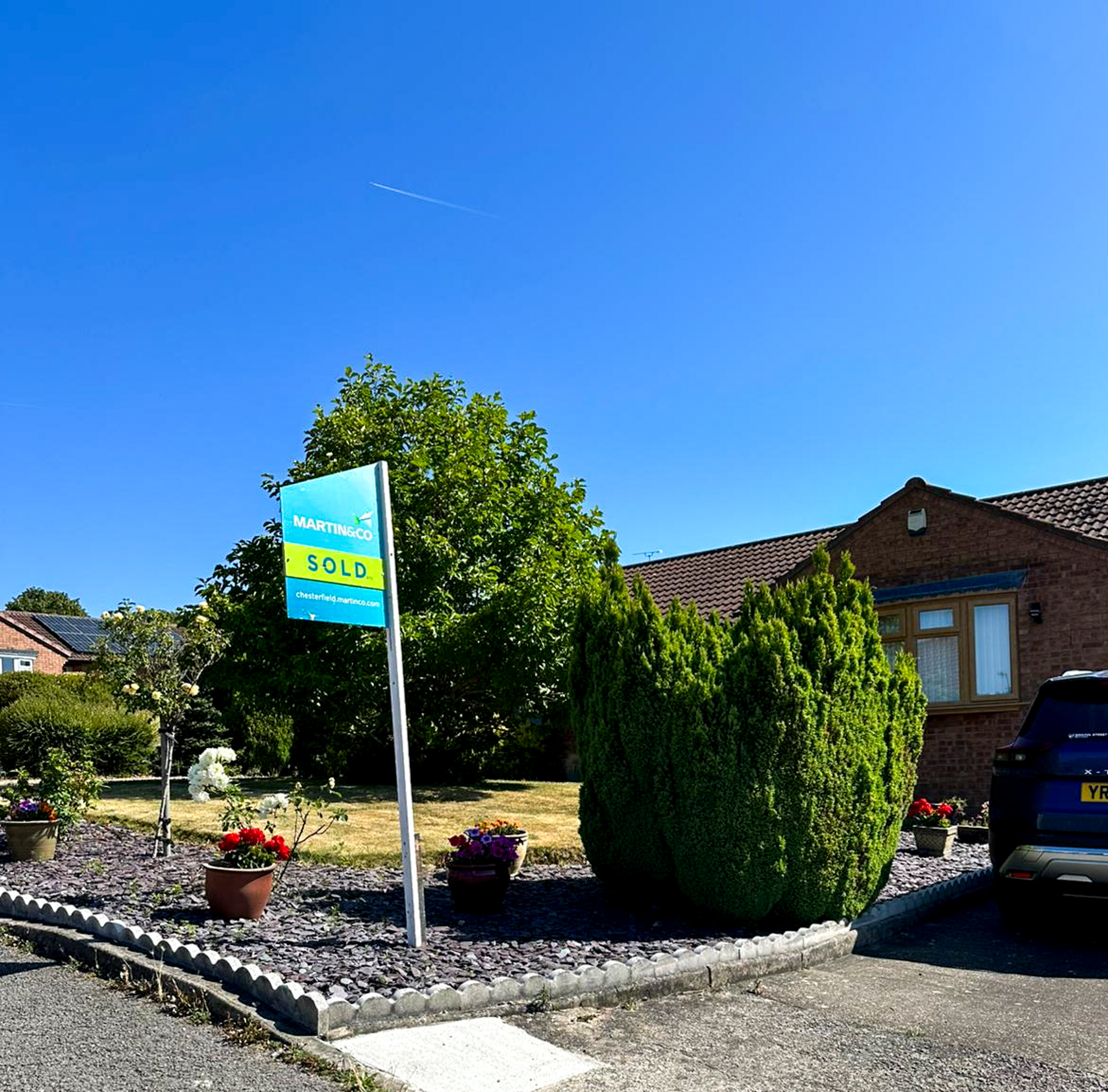
Not only is the property market financially frightening it is fraught with legal and transactional pot-holes. This means that we will without doubt rely on the experience and expertise of property professionals such as conveyancers or solicitors and estate agents. These are heavily involved in the property market as they undertake sales and legal transfers on a daily basis. As with all other professionals, there are good ones and not so good ones and we need to ensure that our estate agent of choice is among the good ones.
Most areas in the UK now have a range of local estate agents or those that are part of a much larger chain. Choosing the best estate agent for your house sale helps to ensure you will sell your house for the best price and in the shortest time, so it is worth doing your homework before making any commitment to an agent.
Start by looking at the “For Sale” boards on other local properties to ascertain which ones you see most often and which ones display “Sold” quickest. This will give you a rough idea of the most favoured estate agents being used in your area. Look on the websites of agents selling in your area, see what they are selling and look in particularly for properties such as your own.
Some estate agents major on high end properties with big price tags and are aimed at that market. If your property falls into that category, get in touch with a relevant agent. Otherwise, search websites for properties which best match your home. Spread your searches to the bigger national sites, such as Rightmove, Zoopla or On The Market, as most estate agents now advertise their properties on these sites to achieve wider coverage.
As well as looking at the prices being asked on these websites, check what other information you can glean from the national sites. Many of them show when a property was first listed on their site, which will give you an inkling of how long the property has been on the market. The site may also tell you if the price has been dropped at any time, giving an indication of how good the selling agent’s valuation may have been originally. Both of these factors could possibly embolden a potential buyer to put in a lower bid.
These large national sites will also show which estate agents are advertising properties on their sites, which gives a good indication of which estate agents are dealing with property sales in your area. It also gives the opportunity to appraise the quality of the photographs being used and even although a picture is worth a thousand words, check how well the written description reads and how helpful the text would be to prospective buyer.
When buying goods or services it is always good to involve more than one supplier. In this instance, it would be wise to speak with more than one estate agent. The two main areas of interest to a property seller are the perceived value of the property and the time taken to sell it. When the agent suggests a value at which to market your property, ask how that value has been arrived at. The valuation should be based on market information such as how much similar property in the local area has sold for, the current state of the local market and how many other properties of a similar build are for sale locally.
Some estate agents will calculate a value based on the selling price and the floor area in square metres of similar properties sold recently and attach that £s per square metre value to your property. Beware of any valuation which is wildly different, lower or higher, to that of others. It is not unknown for an agent to inflate the valuation of a property to win your business, only to suggest dropping the price a few weeks later, as can show on some national property sites. You can also check the Land Registry at https://landregistry.data.gov.uk/ for recent selling prices in your area
Estate agents charge a one off fee for selling a property and this is normally around 1% to 1.25% of the selling price. There may well be one or two other small fees to be paid outwith the estate agents fee, but all marketing costs are normally covered by their fee. This would include property valuation, a written description of your property, floorplans, professional photographs and displaying a For Sale sign. They will contact their mailing list of potential buyers, marketing your house on their own website as well as national sites like Rightmove, Zoopla and On the Market, which will give a much wider coverage. Finally, organising and attending viewings and eventually negotiating a sale price. A good estate agent will arrange a date and time or viewing a property and will attend with the prospective buyer to show them round your house, answering questions as they go. They should then get back in contact with you within a day or two to give feedback from the viewing, highlighting any areas which may have had negative comments from the viewer along with any positive remarks.
Your estate agent can also organise an Energy Performance Certificate (EPC) if required, although it may be less expensive to organise your own assessor These are a legal requirement when you are selling your house and are valid for 10 years. You can check if your present one is still valid by going to; https://www.gov.uk/find-energy-certificate .
Buying and selling a property is undertaken by people and as such, the human element cannot be overlooked. If a potential buyer does not like a seller, it will be harder for them to buy from them. The professional aspect of an estate agent is critical but their people skills are also important as by engaging the potential buyer in conversation, they will be able to find out what is important to them and highlight any relevant features in your property that could be important to that buyer. It is also important that you and your estate agent find a bond of trust as you work towards you property sale.
If you are considering buying or selling a home, you may find some of these services useful:

Mortgage Brokers
I need help getting a mortgage

Energy Performance Certificate
Energy Performance Certificates

Building Surveys
I want a local surveyor to do a Building Survey for me

Home Survey and valuation
I want a local surveyor to do a homebuyer survey and valuation for me

Structural Inspections
Find an expert to carry out a structural inspection
Structural Calculations
Find an expert to provide Structural Design Calculations

Invasive weeds report
If you are concerned that you may have Japanese Knotweed, or other nuisance plants.

Electrical Reports
Find an Electrician to produce an Electrical report (sometimes known as an Electrical Installation Condition Report - or EICR) for a property.