You are here: Hammer Down A Home At Auction
When most people think of buying a house they tend to think of searching estate agents websites and the properties displayed there as being their first step to home ownership. It is however, not the only way to buy property and more people are now looking at the alternative of buying at auction as they perceive auctions to be a way to potentially grab a bargain or escape the uncertainty of the dreaded property chain.
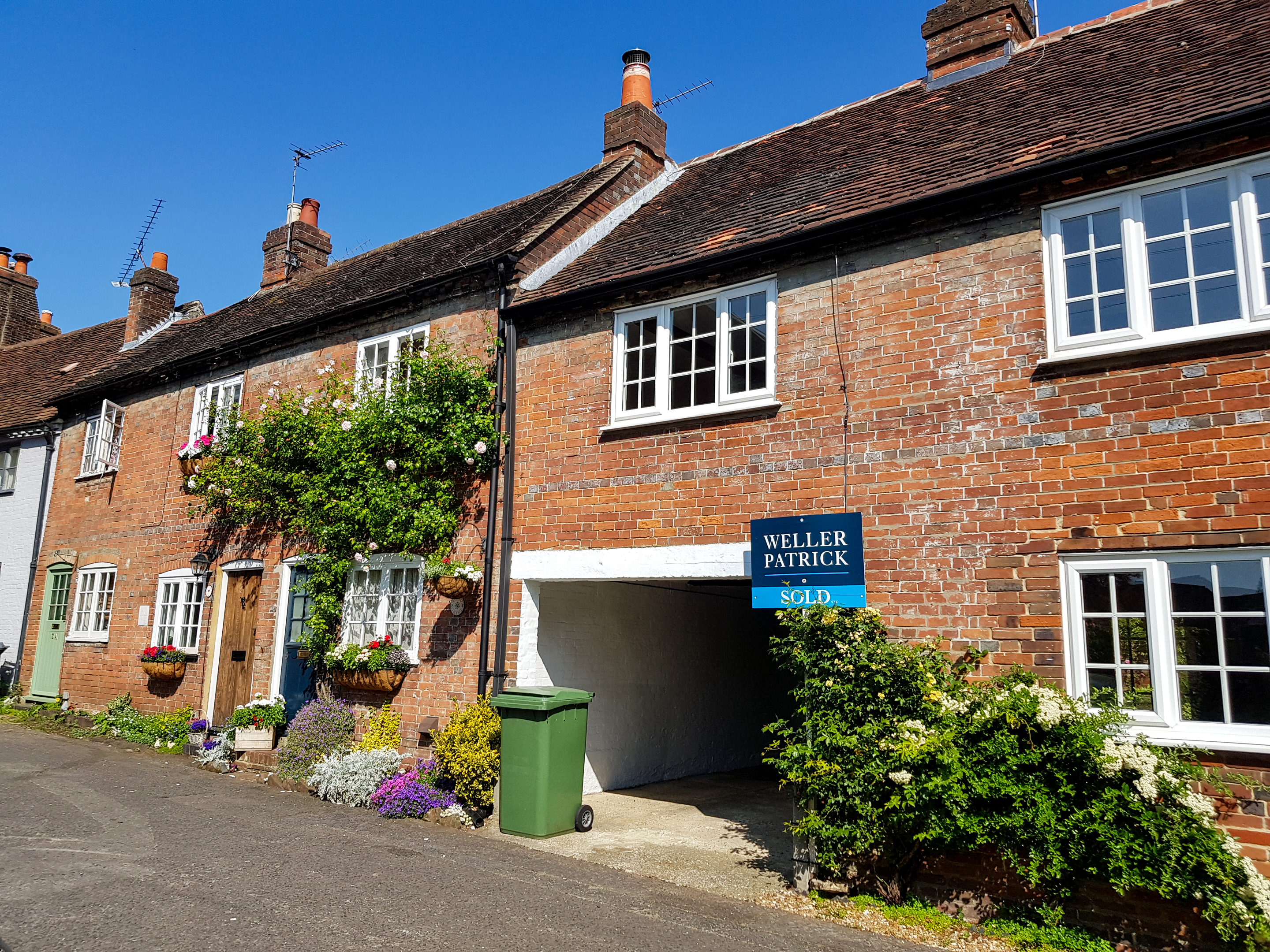
Property auctions are not a new phenomenon. In the past they tended to be a hunting ground for cash buyers and investors looking for development opportunities. This is now changing, with the availability of suitable mortgages, auctions are now being seen by a wider audience as a means to buy a property on the day at a very keen price.
With the emergence of online auction sites like E-Bay the more tech savvy of us have become much more au fait with the concept and processes of online bidding. This has led to a growth in online property auctions which complement the more traditional auction format we are all familiar with.
The traditional auction format is still favoured by many cash buyers or investors as the auction would normally take place at an auction house with all the bidders being in the room and placing bids when invited to do so by the auctioneer. The highest bidder wins the auction, pays a deposit, which would normally be 10% and exchanges contracts on the day. The buyer would then have 28 days to pay the balance of the money. As with any exchange of contract on a property, if the buyer pulls out of the sale they would forfeit their deposit.
Property which is to be sold at auction will normally be advertised online by either an estate agent or a property auction house. By using your preferred web browser and searching for “”property for auction in …” or “property for auction near me” and you will find a number of sites advertising property for auction, in the same way as you might search for property for sale in your chosen location.
Search these sites until you find a property or properties which could be of interest to you. These will have the same style of property schedule as you would expect to see for a property for sale. You will see descriptions, photographs and possibly floor plans in the normal fashion. You will also see the date of the property auction and instructions as to how to view the property and whether the auction will be of the traditional “bids in the room” format or online.
Some auctioneers will designate a specific time slot when the property will be available for all interested parties to view, others will allow prospective buyers to book a viewing time. An individual viewing time is better as you are then able to spend as much time looking around as you want and if possible, take someone such as a surveyor, builder or architect with you. They can inspect it and give their opinion on the likely cost of any renovation work. Most property experts will tell you that you should never buy a property without inspecting it and looking for major problems which would soak up a substantial amount of money.
Buying a property at auction does not need to be a cash transaction, you can arrange a mortgage via an Agreement in Principle (AIP) from a bank or building society, telling them you are buying at auction. Your lender of choice will look at your finances and agree an upper limit on what they are prepared to lend. This will not only ensure your funding but will help you to set a limit on how much you are able to bid for your chosen property. When calculating how what your maximum bid should be, bear in mind that there will be fees and costs to pay if you are successful with your bid.
The auctioneers should provide you with a legal pack, which is usually free and should contain all the important legal information about the house, including searches, title deeds and a list of fixtures and fittings. You should give this to your solicitor or conveyancer at the earliest opportunity so that they can check that everything is in order and complete. That would allow them to quickly carry on with their process should you be successful with your bid.
It is normal for a property which will be sold at auction to be listed online for about a month before the auction and you should use this time to instruct a survey on the property. With a traditional auction, you will not have time to do this after you have had your bid accepted as you will be asked to exchange contracts on the day of the auction. This is not the case for an online auction which gives time for a survey to be completed.
There are dos and don’ts, pros and cons with buying a property at auction and they all need to be considered before you start bidding.
Always ensure you have all the paperwork you will require on the day of the auction. You will need photographic proof of both identity and address if your bid is successful, so take your passport or drivers licence and a utility bill, ensure that this has you as the account holder and not a partner or spouse. If you are using a mortgage to finance your purchase, take your Agreement in Principle with you and as a cash buyer you will need proof that you are able to pay the required deposit, normally 10% of the purchase price. All of this may need to be lodged with the auctioneers prior to an online auction
You should always attend an auction before you go to buy watch the bidders and the auctioneer during the sale. This will give you a feel for the atmosphere of the auction so that it is not strange to you when you go to buy.
Once you exchange contracts on any property, it becomes your property and you are responsible for it, which means you need to get it insured as quickly as possible. Finally, the golden rule of any auction, never ever bid more that you can afford to pay. Set a limit on how much you can afford to bid and stick to it. Always be prepared to walk away if the bidding goes above your limit.
If you are considering buying or selling a home, you may find some of these services useful:

Mortgage Brokers
I need help getting a mortgage

Energy Performance Certificate
Energy Performance Certificates

Building Surveys
I want a local surveyor to do a Building Survey for me

Home Survey and valuation
I want a local surveyor to do a homebuyer survey and valuation for me

Structural Inspections
Find an expert to carry out a structural inspection
Structural Calculations
Find an expert to provide Structural Design Calculations

Invasive weeds report
If you are concerned that you may have Japanese Knotweed, or other nuisance plants.

Electrical Reports
Find an Electrician to produce an Electrical report (sometimes known as an Electrical Installation Condition Report - or EICR) for a property.